Epithalon vs GHK-Cu: Which Anti-Aging Peptide Does What?
Telomere biology vs collagen synthesis — two completely different anti-aging mechanisms. Here's how to use each, and why researchers stack them.
Two Anti-Aging Mechanisms, One Research Protocol
Epithalon and GHK-Cu are the two most studied anti-aging peptides in preclinical research — but they work through completely different mechanisms. Understanding the distinction is essential for designing effective longevity research protocols.
The Core Comparison
| Feature | Epithalon (AEDG) | GHK-Cu |
| Type | Tetrapeptide | Copper-binding tripeptide |
| Primary target | Telomere biology | Extracellular matrix / gene expression |
| Key mechanism | hTERT upregulation → telomere elongation | 300+ gene modulation via copper-dependent signaling |
| Research depth | 40+ years (Khavinson) | 50+ years (Pickart) |
| Tissue specificity | Systemic (via pineal/epigenetic) | Skin, connective tissue, wound healing |
| Half-life | ~30 min (rapidly cleared) | ~30 min free; copper binding extends local activity |
Epithalon: Targeting the Root of Cellular Aging
What It Is
Epithalon (Ala-Glu-Asp-Gly, CAS: 307297-39-8) is a synthetic tetrapeptide developed by Vladimir Khavinson at the Saint Petersburg Institute of Bioregulation. It mirrors epithalamin, a natural polypeptide secreted by the pineal gland that declines dramatically with age.
The Telomerase Mechanism
Epithalon's primary documented effect is activation of telomerase — specifically upregulation of hTERT (human telomerase reverse transcriptase), the catalytic subunit:
- Epithalon interacts with DNA regulatory sequences at the hTERT promoter
- This increases hTERT transcription in somatic cells (which normally have suppressed telomerase)
- Active telomerase adds TTAGGG repeats to telomere ends
- Result: Extended proliferative lifespan, delayed entry into replicative senescence
Other Research Areas
- Pineal/Melatonin: Restored nighttime melatonin peaks in aging rodents via AANAT upregulation
- Immune aging: Preserved thymic architecture, maintained naive T-cell output, restored NK cell cytotoxicity
- Longevity: 8-13% mean lifespan extension in rodent models with reduced tumor incidence
- Retinal protection: Preserved photoreceptor function in aging retinal models
Shop Clavicular's Protocol
Research-grade Retatrutide and BPC-157 from our trusted research supplier — the exact peptides behind the most viral looksmaxxing transformation.
GHK-Cu: Gene Expression at Scale
What It Is
GHK-Cu (glycyl-L-histidyl-L-lysine copper complex, CAS: 49557-75-7) is a naturally occurring tripeptide that circulates in human plasma at ~200 ng/mL in young adults — declining to ~80 ng/mL by age 60 (a ~60% reduction). First characterized by Loren Pickart in 1973.
The Gene Modulation Mechanism
GHK-Cu's mechanism is unusually broad. A 2010 Genome Research study (Pickart et al.) using Broad Institute gene chip data found:
- Upregulates 627 genes involved in regeneration and repair
- Downregulates 206 genes associated with inflammation, cancer, and aging
- Net effect: shifts the cellular transcriptome toward a younger, more regenerative state
- Collagen synthesis: Upregulates COL1A1, COL1A2, COL3A1 → increased collagen I and III production
- Angiogenesis: VEGF upregulation → new capillary formation in healing tissue
- Anti-inflammatory: Downregulates TNF-α, IL-6, and NF-κB pathway genes
- Antioxidant: Superoxide dismutase upregulation
- Stem cell activation: Increases expression of stem cell markers in injured tissue
Skin Research Data
GHK-Cu has the most robust skin aging research of any peptide:
- 12-week study: 35% increase in skin density, 120% increase in skin thickness
- Collagen density improved comparable to retinoic acid (without the irritation)
- Wrinkle depth reduced in topical application models
The Stack: Why Researchers Use Both
Epithalon and GHK-Cu address aging at different levels:
- Epithalon works at the cellular lifespan level — extending how long cells can divide before senescence. This is deep, slow-acting biology.
- GHK-Cu works at the tissue maintenance level — actively driving repair, collagen production, and anti-inflammatory signaling right now.
The Khavinson longevity stack (as documented in his institute's protocols) explicitly combines both: Epithalon for telomere/systemic aging, GHK-Cu for tissue-level maintenance.
Research Protocol Notes
Epithalon 50mg reconstituted at 1mg/mL (add 50mL BAC water) provides 50 doses at 1mg each. Typical preclinical dosing: 0.1-1mg/kg. Dissolves rapidly due to small molecular weight (~432 Da).
GHK-Cu 50mg reconstituted at 2mg/mL (add 25mL BAC water). Stable for 6-8 weeks refrigerated post-reconstitution. Copper complex is stable at physiological pH.
Both available from Peptides Get Online — research-grade, >98% HPLC purity.
Build Clavicular's Stack
Research-grade Retatrutide + BPC-157 from our trusted research supplier. The exact protocol behind Clavicular's viral looksmaxxing transformation.
Featured Products
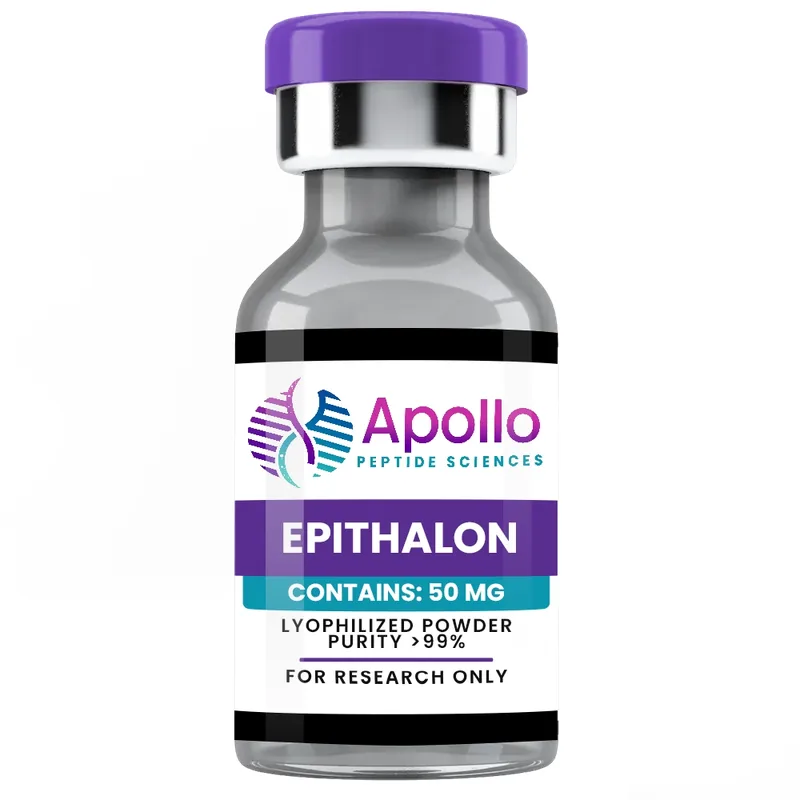
Epithalon 50mg
A synthetic tetrapeptide (Ala-Glu-Asp-Gly) derived from the natural pineal peptide epithalamin. The most studied peptide bioregulator — 40+ years of research covering telomerase activation, telomere elongation, anti-aging, melatonin regulation, and lifespan extension in rodent models. Supplied as lyophilized powder for laboratory research.
CAS: 307297-39-8
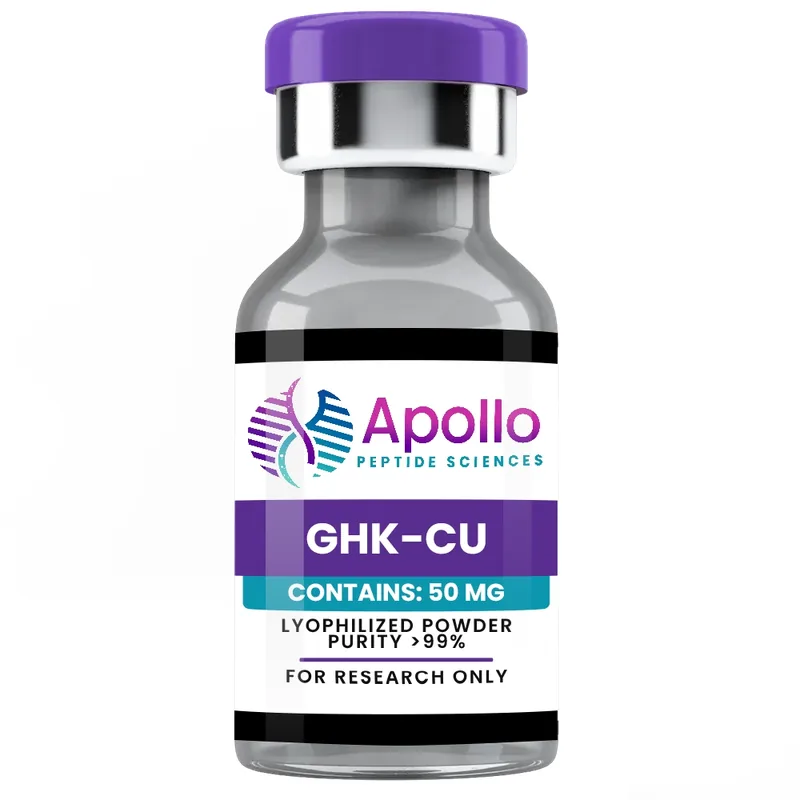
GHK-Cu 50mg
GHK-Cu (glycyl-L-histidyl-L-lysine copper complex) is a naturally occurring copper peptide present in human plasma, saliva, and urine that declines significantly with age. Extensively studied for wound healing, collagen synthesis, anti-inflammatory signaling, and skin remodeling. Research has documented upregulation of over 300 genes and downregulation of 190+ genes implicated in aging. Often researched alongside Epithalon in longevity stacks.
CAS: 49557-75-7