Stack-category aisle
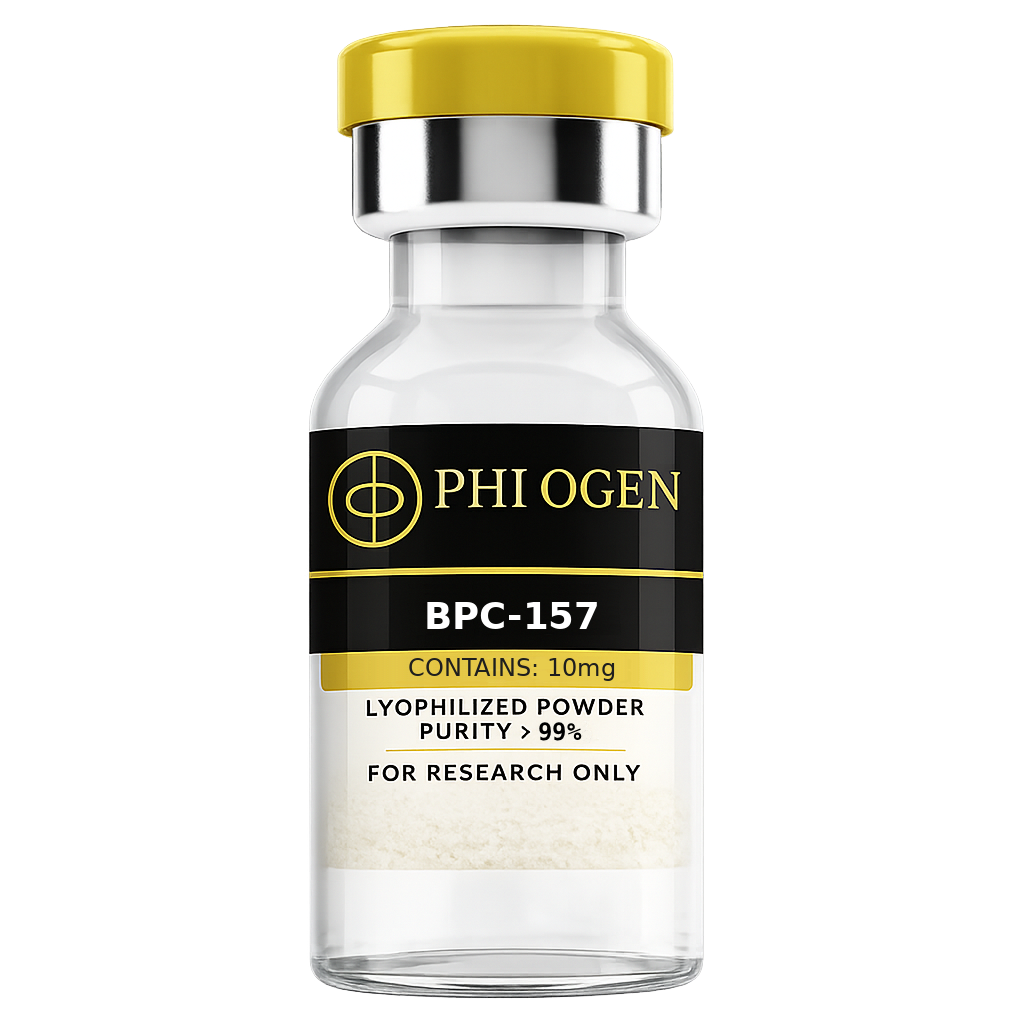
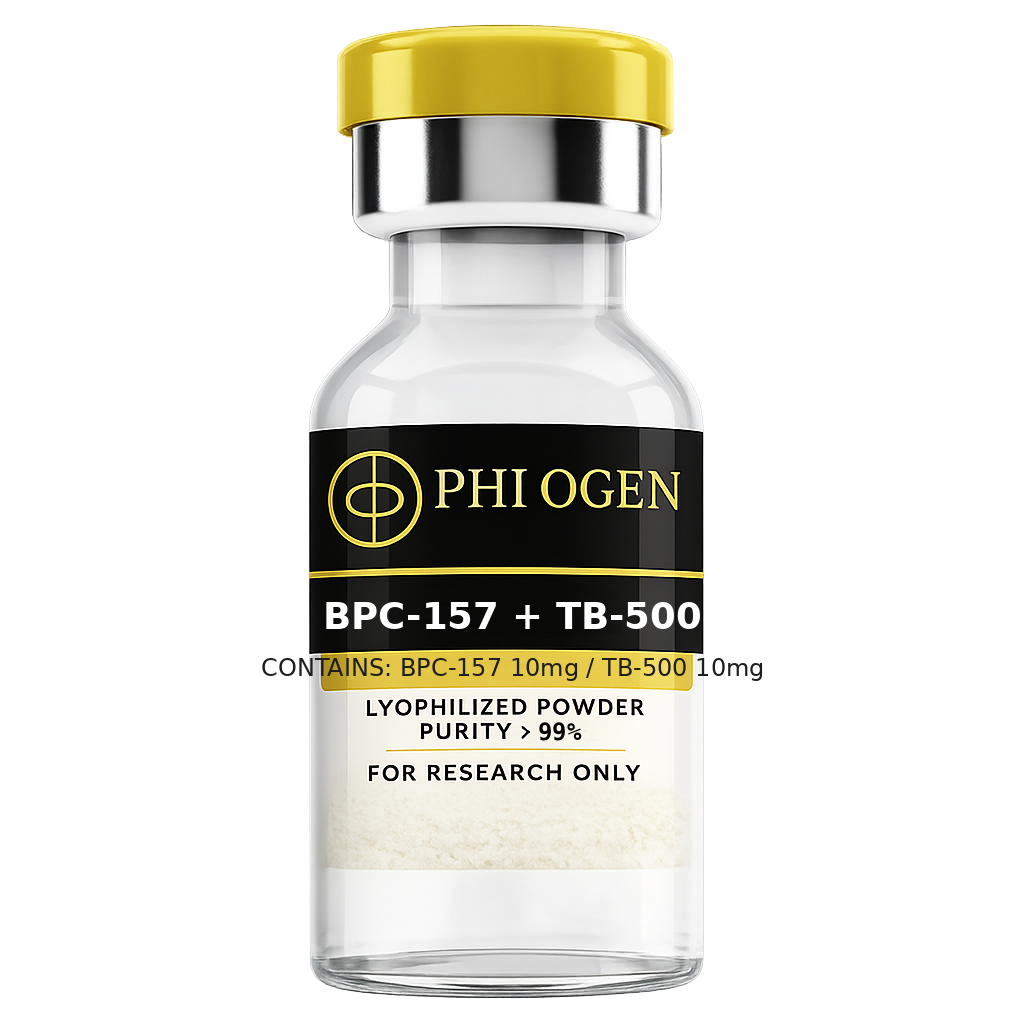
BPC-157 10mg — recovery-category SKU grouped on the stack aisle so you can open related listings without searching the full catalog.
Research Specifications
- Sequence:
- GEPPPGKPADDAGLV (Gly-Glu-Pro-Pro-Pro-Gly-Lys-Pro-Ala-Asp-Asp-Ala-Gly-Leu-Val)
- CAS Number:
- 137525-51-0
- Molecular Weight:
- 1419.53 Da
- Form:
- Lyophilized powder
- Purity:
- ≥98% (HPLC verified)
- Storage:
- −20°C long-term / 4°C up to 4 weeks reconstituted
- Reconstitution:
- Bacteriostatic water
Buy BPC-157 10mg Online
BPC-157 10mg purchased 6,740 times
Cytoprotection via VEGFR2, FAK-Paxillin & Nitric Oxide Pathways
BPC-157 (Body Protection Compound-157, CAS: 137525-51-0) is a synthetic 15-amino-acid pentadecapeptide (sequence: GEPPPGKPADDAGLV) derived from gastric juice protein BPC. It activates VEGFR2 (vascular endothelial growth factor receptor 2) to drive angiogenesis — the formation of new blood vessels — which is rate-limiting in tendon and ligament repair. It upregulates FAK-paxillin signaling for cell migration and tissue repair, stimulates nitric oxide production via eNOS for vasodilation and improved blood flow to injured tissue, and directly modulates the dopamine and serotonin systems. Anti-inflammatory effects include downregulation of NF-κB. Over 36 published studies — primarily from Sikiric et al. at Zagreb University — document effects across tendon, GI, muscle, bone, nerve, and vascular tissue. Molecular weight: 1419.53 Da.
What ships on this SKU
Lyophilized BPC-157 10mg (sequence GEPPPGKPADDAGLV). CAS 137525-51-0 and molecular weight 1419.53 Da on the label and lot CoA.
Purity line on the CoA
Listed at ≥98% HPLC. Lot-matched documentation ships from the supplier on qualifying orders.
Storage printed with the goods
Sealed lyophilized: −20°C long-term. After reconstitution with bacteriostatic water, refrigerate at 4°C and finish within the supplier window (commonly up to four weeks). Avoid repeated freeze-thaw of liquid.
BPC-157 10mg Shipping & Delivery
US Shipping: 3–5 Business Days
BPC-157 10mg ships tracked from a US fulfillment center. Free shipping on orders $200+; flat-rate $14.95 under.
Cold-Chain & Packaging
Lyophilized BPC-157 10mg is heat-stable in transit. Vials ship in rigid cold-pack mailers with lot-matched CoA included.
Storage on Arrival
Refrigerate unopened lyophilized vials at 2–8°C. Reconstitute only when ready to use; refer to the per-compound protocol guide.
Purity Verified on Every Lot
Every BPC-157 10mg vial ships with a lot-matched Certificate of Analysis confirming ≥98% purity via HPLC. Requests for raw chromatograms accepted post-purchase.
BPC-157 10mg
$65.00